hackü, the Colombian startup that turned WhatsApp into a work platform for Latin America’s deskless workforce
hackü turns WhatsApp into the channel where deskless workers learn, communicate with their company, and take care of administrative tasks
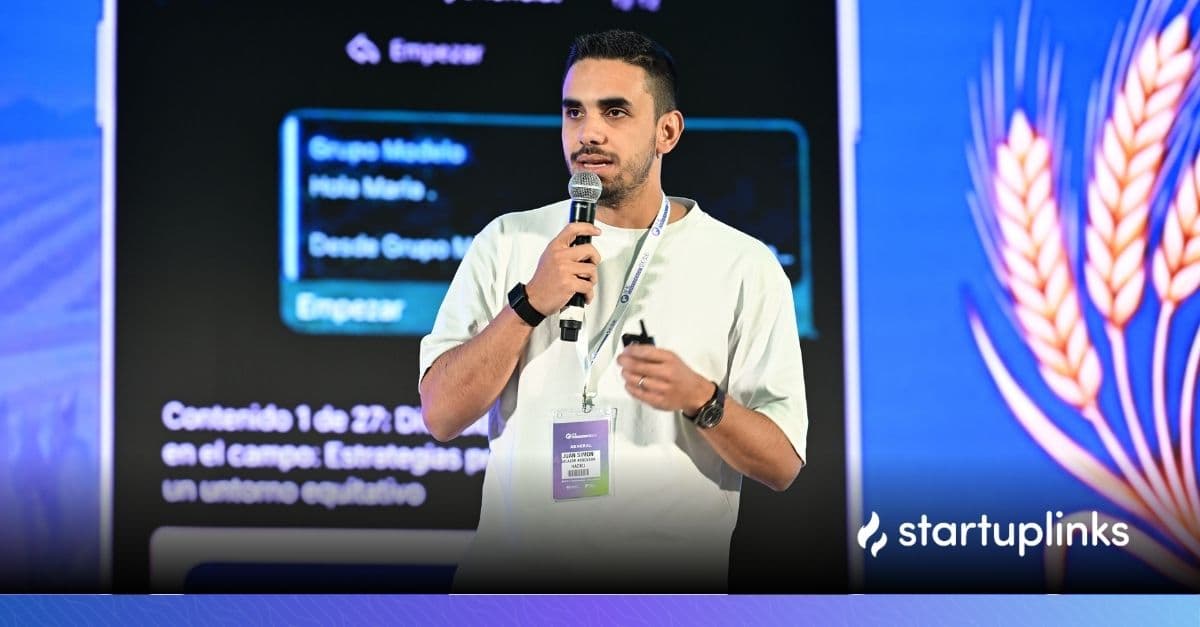
How do you train a farmer, a sales-floor associate, or a plant operator if they don’t have an email address, probably don’t have a computer, and can’t leave their post? hackü found the answer: WhatsApp. The Colombian startup, co-founded by Juan Simón Salazar turns Latin America’s most widely used messaging channel into a learning, communication, and automation platform for the large frontline workforces of major organizations.
The impact is measurable: 90% of HackU’s clients save 60% compared with their previous training methods, and many users increase their income by between 10% and 50% after completing the program.
From learning to full-scale operations
The idea was born in 2019 with a simple premise: learning should be as easy as a habit, not another task to add to the to-do list. Its first product was an online platform with free courses that no one used. The problem wasn’t a lack of content, but how the people who needed it could access it.
“We delivered the content through the channel people use every day, in the form of a chat. It’s something we don’t have to teach anyone: human beings have been learning to chat for many years”, explained Salazar.
The first client came through an informal conversation with a friend who needed to train the operators at his production plant in workplace health and safety. But taking them away from their shifts was very costly, and a training platform wasn’t a viable option, since many of them didn’t even have email. The solution was WhatsApp. That client is still active 6 years later.
The future of hackü
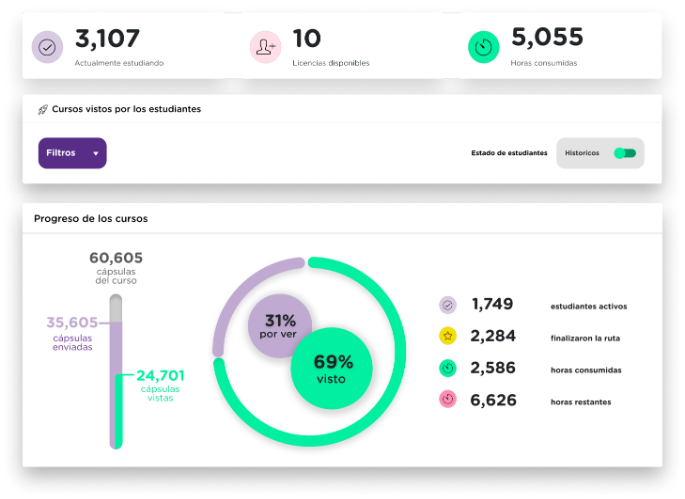
What began as courses over WhatsApp evolved with the arrival of artificial intelligence. Today, hackü personalizes learning for each person, holds open-ended conversations with a clear thread, and adapts every interaction to a specific learning path. But the platform went beyond educational content.
“People don’t just want to learn; they also want to take care of other requests with their company: documents, employment certificates, vacation requests, and medical leave. We’re moving from learning toward communication, and we’re already starting to identify many workflows to automate the relationship between an employee and their employer” the founder noted.
The boost from the TecPrize program
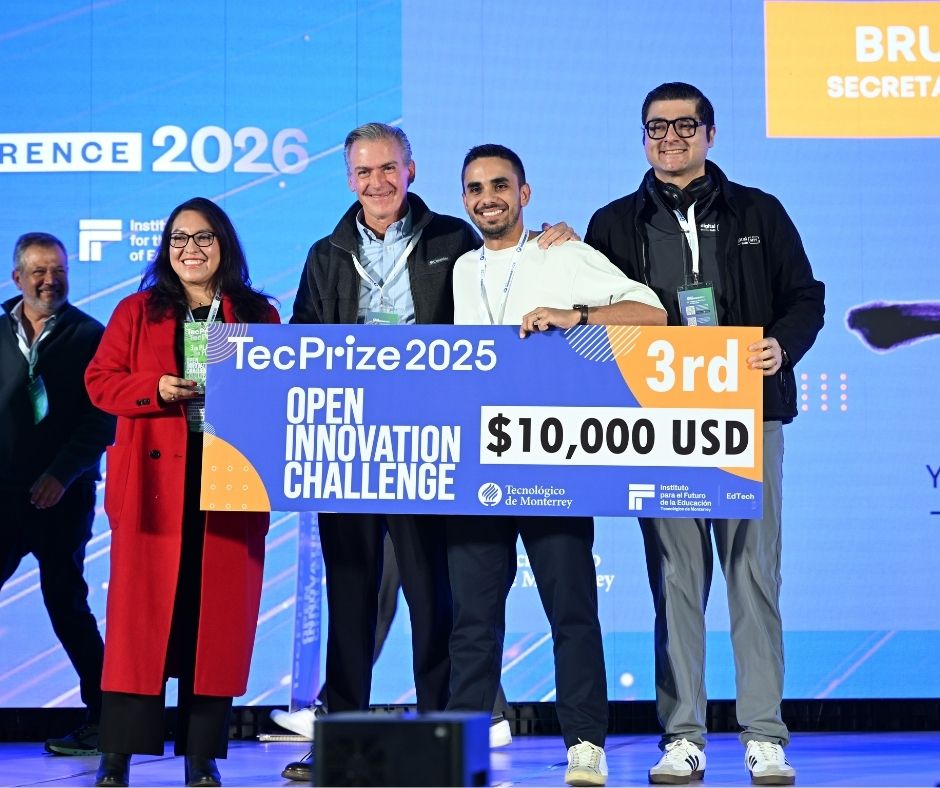
hackü took part in TecPrize, the open innovation program of the Institute for the Future of Education (IFE) at Tecnológico de Monterrey, and was one of the winners. But the most strategic decision wasn’t to keep the $10,000 USD prize money; it was to turn it into hackü service credits for Tec de Monterrey itself.
"“Entrepreneurs don’t need money handed to us; we need to earn it by creating value. At universities, many departments don’t try new things because they don’t have a budget, and by the time you request the budget and get it approved, a year has gone by. So we turned the situation around: we found a quick way to run an experiment with Tec, deliver value to TecPrize, and pursue long-term upside,” Salazar explained.
Today, Tec de Monterrey is an active hackü client, with several pilots underway.
Asked about the program, the founder had no hesitation: “TecPrize is free exposure. What’s hardest for an entrepreneur is getting known in the right forums, and TecPrize is the right forum. The Tec team—César, Rodrigo, Félix—are incredible. I felt right at home.”
If you’re also a startup building the future of learning or training in Latin America, apply to TecPrize 2026 before 30 September 2026 here.
Clients betting on educational innovation
hackü operates in Colombia, Mexico, Brazil, and the United States. Some of its best-known clients operating in Mexico include AB InBev, Adidas, Universidad Panamericana, and Tec de Monterrey, with which it is about to launch a pilot course to help people in the silver economy improve their skills.
In Colombia, it also works with Universidad EAFIT, COMFAMA, Bavaria, and SURA, among others.
The team and investors behind hackü
hackü has three co-founders:
- Juan Simón Salazar currently leads the company as CEO.
- Alejo Duque, Juan Simón’s best friend since university.
- Guillermo Jaime Calderón joined as a late founder, served as CEO, led the expansion into Mexico, Brazil, and the United States, grew 2X, and reached break-even.
The wider team is made up of another 35 people based in Mexico, Colombia, and Spain.
Its notable venture capital investors include Matterscale Ventures, Rockstar LATAM, Redwood Capital and Wayra.
More information about hackü
Connect with the hackü team about sales through its website (https://www.hacku.com/) or by email: mariarosa@hacku.co